



I. Introduction
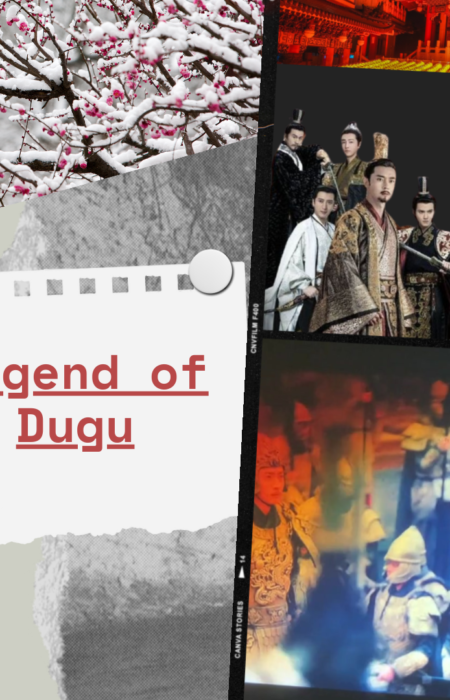
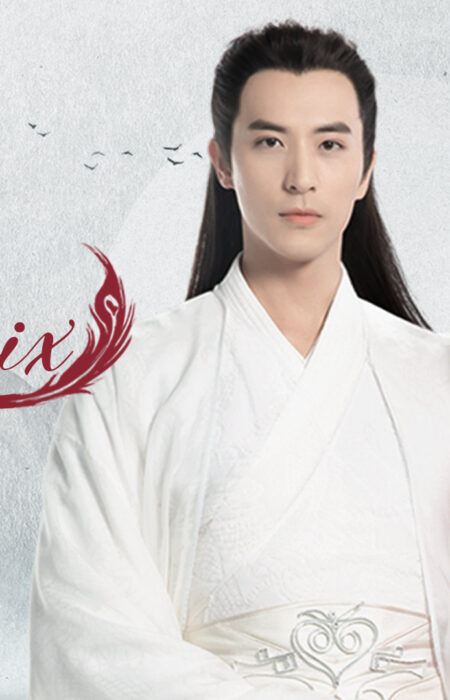
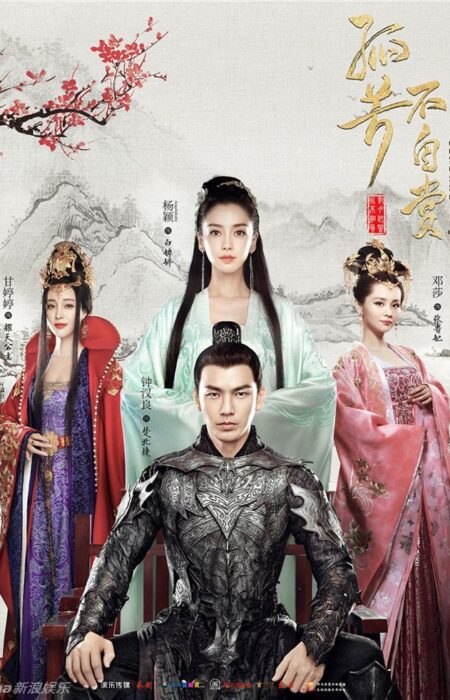
- Dance of the Phoenix is a visually striking film that blends art, culture, and personal growth.
- Themes: Identity, self-discovery, personal freedom, and the tension between societal expectations and individuality.
- The film is centered around the transformative power of dance as an expression of personal freedom and emotional release.
II. Protagonist’s Struggle
- The protagonist: A young individual caught between family and societal expectations, struggling to find their true self.
- The protagonist feels confined by tradition, facing pressure to follow a prescribed path set by their family and culture.
- The Dance: A central element of the film, representing personal freedom, expression, and transformation. The protagonist is drawn to the dance as a means to break free from the constraints of society.
III. Journey of Self-Discovery
- The protagonist’s journey is about finding their own voice, pushing past expectations, and stepping into their own identity.
- As they pursue the dance, they face internal conflicts regarding self-worth, purpose, and authenticity.
- The journey forces them to reconcile their passion for the dance with the pressure to conform to family values and social norms.
IV. Key Relationships
- Family Conflict: The protagonist’s relationships with family members, especially those who expect them to follow tradition, create tension.
- Mentorship and Support: The protagonist finds a mentor or confidant who encourages their journey, offering guidance and support.
- Romantic or Peer Connection: Relationships formed with others who share similar struggles provide comfort and challenge the protagonist’s views on love, trust, and loyalty.
V. Themes Explored
- Resilience: The protagonist’s ability to rise above adversity, both internal and external, as they pursue their dreams and true self.
- Love: The film explores different forms of love—romantic, familial, and self-love—and how they shape the protagonist’s journey.
- Sacrifice: The protagonist must confront the sacrifices required to follow their true calling, including potential loss or rejection from loved ones.
- Self-Expression: The dance becomes a powerful symbol for the protagonist’s fight for self-expression and independence, challenging societal norms and personal limitations.
VI. Visuals and Performances
- Cinematography: Beautifully crafted visuals, with striking landscapes and meticulously choreographed dance sequences. The dance is both a visual and emotional centerpiece of the film.
- Emotionally Charged Performances: Strong performances from the lead and supporting cast, bringing the emotional weight of the journey to life. The vulnerability of the protagonist’s internal struggle is conveyed through both subtle gestures and powerful moments of transformation.
VII. Conclusion
- Dance of the Phoenix concludes with the protagonist having gone through a journey of profound personal growth and change.
- The film reflects on the complexity of identity and the courage it takes to pursue one’s passions in the face of societal and familial pressure.
- By embracing their true self, the protagonist finds peace, purpose, and the strength to face the world on their own terms, leaving the audience with a sense of catharsis and hope.

Other Articles
Next

March 23, 2025
Learn Chinese with Noun Town: Your Fun Path to Fluency!
Previous
March 9, 2025
☆★☆★ A few things about me ☆★☆★